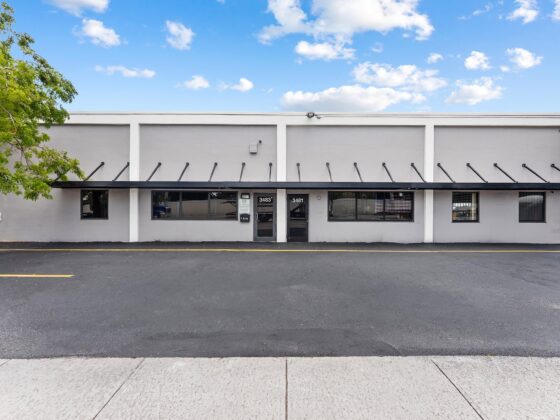
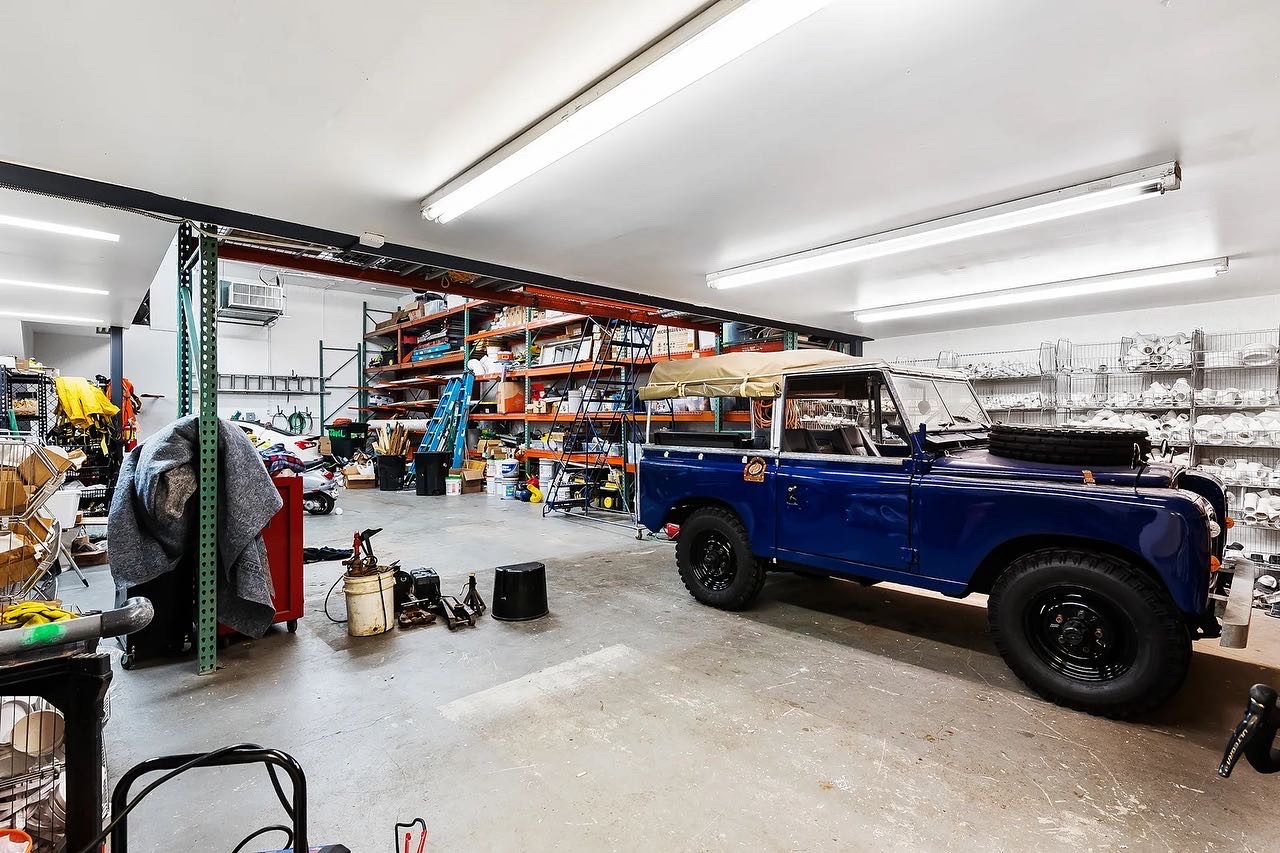
Selling a warehouse in Fort Lauderdale is one of the most significant financial transactions a business owner or investor can make. Done correctly, a warehouse sale can generate life-changing capital and create a clean transition to your next chapter. Done without the right preparation and representation, it can cost you hundreds of thousands of dollars in value left on the table — or worse, a deal that falls apart at the finish line.
As a commercial real estate agent Fort Lauderdale industrial sellers trust, I’ve represented warehouse owners throughout Broward County, Miami-Dade, and Palm Beach County. Here’s the step-by-step process I walk every seller through.
Step 1: Understand What Your Warehouse Is Worth
Before anything else, you need a realistic picture of your property’s market value. Commercial real estate valuation is more complex than residential — there’s no simple “per square foot” answer. Industrial warehouse value depends on location, clear height, loading configuration, electrical service, zoning, the strength of any existing tenant’s lease, lease term remaining, and current cap rates in the Broward County industrial market.
A good commercial real estate agent will prepare a Broker Opinion of Value (BOV) — a detailed analysis of comparable sales, current market conditions, and your property’s specific attributes — at no charge and with no obligation. This gives you a realistic pricing target before you decide whether to sell.
Step 2: Owner-Occupied or Investment Sale?
The marketing strategy and buyer pool for your warehouse depends significantly on whether the property is owner-occupied (you use it for your own business) or an investment property (it has a tenant paying rent).
Owner-occupied warehouses are typically sold to other owner-operators or investors who will lease the property to a new tenant. If you plan to vacate at closing, the buyer is purchasing vacant industrial real estate — which is still in strong demand in Fort Lauderdale’s market, but priced differently than a leased investment.
Investment properties with tenants are priced based on their cap rate — the relationship between the annual net operating income and the sale price. A warehouse with a long-term, creditworthy tenant and a favorable lease structure will attract a much wider buyer pool, including institutional investors, REITs, and 1031 exchange buyers who pay premium prices for quality leased industrial assets.
If you own a warehouse and currently occupy it yourself, it may be worth exploring a sale-leaseback structure — you sell the building to an investor and simultaneously sign a long-term lease to stay as the tenant. This strategy allows you to unlock the equity in your real estate while keeping your business operations entirely in place. Sale-leasebacks have become increasingly popular for South Florida business owners who want to monetize their real estate without disrupting their operations.
Step 3: Prepare the Property for Sale
First impressions matter in commercial real estate, even in the industrial market. Before listing, address any deferred maintenance that could become a negotiating point for buyers — roof condition, HVAC systems, dock levelers, parking lot striping, and landscaping. Buyers will hire inspectors who will document every deficiency, and sellers who proactively address known issues go into due diligence with much stronger negotiating leverage.
Gather your key documents before listing: the current property survey, any environmental reports (Phase I ESA at minimum), current lease documents (if applicable), CAM reconciliation history, utility bills, property tax history, and any permits for improvements. Buyers and their lenders will request all of this during due diligence — having it ready speeds up the transaction and signals that you’re a serious, prepared seller.
Step 4: Pricing Strategy and Marketing
Pricing your warehouse correctly from day one is critical. Overpriced properties sit on the market, accumulate days-on-market stigma, and ultimately sell for less than they would have at the correct price from the start. Institutional buyers and experienced investors track market time and use it as a negotiating tool.
A well-executed marketing campaign for a Fort Lauderdale warehouse includes placement on CoStar, LoopNet, and Crexi (the three major commercial real estate platforms), direct outreach to active buyers in the Broward County industrial market, targeted email campaigns to local and regional investors, and — crucially — access to off-market buyers who may not be actively searching public platforms but will pay a premium for the right property.
Step 5: Negotiating the Letter of Intent (LOI)
The Letter of Intent is where the primary terms of your sale are established — price, earnest money deposit, due diligence period, closing timeline, and any seller contingencies. The LOI is non-binding, but the terms established here set the tone for the entire transaction. Sellers who don’t understand LOI negotiation often give up significant value in this step without realizing it.
Key things to push for in your LOI as a seller: a substantial earnest money deposit (3–5% of purchase price), a short due diligence period (30–45 days), a hard money date (when the deposit becomes non-refundable), and a realistic closing timeline (60–90 days from LOI execution is standard for financed transactions).
Step 6: Due Diligence and Closing
During due diligence, the buyer will conduct physical inspections, environmental reviews, zoning verification, title search, and lender appraisal. Your job as a seller is to be responsive and transparent — delays in providing requested documents are the most common cause of deals falling apart in the final stretch.
Work closely with your commercial real estate agent and real estate attorney throughout due diligence. When buyers come back with inspection issues or re-trade attempts (asking for a price reduction after the inspection), having experienced representation ensures you respond strategically rather than reactively.
Ready to explore selling your warehouse in Fort Lauderdale or Broward County? Contact a commercial real estate agent Fort Lauderdale sellers trust — Adam Docktor at Native Realty. Call or text 954-610-0440 for a no-obligation Broker Opinion of Value.
Related Reading
- Warehouse for sale in Fort Lauderdale and Pompano Beach
- Native Realty Fort Lauderdale
- Fort Lauderdale industrial real estate market 2025
🏭 Need help with a warehouse or industrial deal?
Adam Docktor specializes in Fort Lauderdale warehouse and industrial real estate — representing institutional industrial park owners, private local landlords, tenants, buyers, and sellers across Broward County. 250+ industrial deals closed.